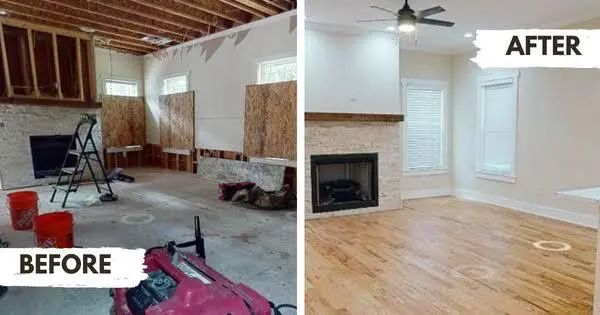
Water damage reconstruction is the final phase of restoration: replacing drywall, insulation, flooring, trim and cabinetry that had to be removed, and restoring finishes. It should start only after moisture readings confirm the structure is dry, so moisture is not sealed inside new materials.
Last reviewed · Reviewed against the sources listed on this page
Reconstruction is the final phase of water damage restoration. It replaces materials that had to be removed — drywall, insulation, flooring, baseboards, cabinetry — and returns finishes to their pre-loss condition as closely as practical.
Repairs should start only after drying is verified. Closing up a wall or installing new flooring over damp materials can trap moisture and lead to repeat problems.
01
Why one coordinated team helps
Should the same company dry and rebuild? When the same team documents the damage, dries the structure and scopes the repair, there is a single, consistent record of what was removed and why. That continuity can simplify communication with insurance adjusters and reduce delays between phases.
02
Matching finishes
What if your flooring or trim is discontinued? Older homes in Fairfax may have discontinued flooring, trim profiles or cabinet styles. We discuss options early — from sourcing close matches to replacing a full room for continuity — so you can make decisions with the budget and insurance scope in mind.
Not sure how serious it is?
A professional assessment shows exactly where the water went and what it will take to dry and restore your property.
Frequently asked questions
Do I have to use the same company for repairs?
No. You choose who repairs your property. Many owners prefer one team for continuity, but you are always free to use your own contractor.
Are repairs permitted and licensed?
Work that requires permits or licensed trades should be performed accordingly under Fairfax County or City of Fairfax requirements. Ask us about licensing for your specific scope.